Bad Bunny – Super Bowl 60
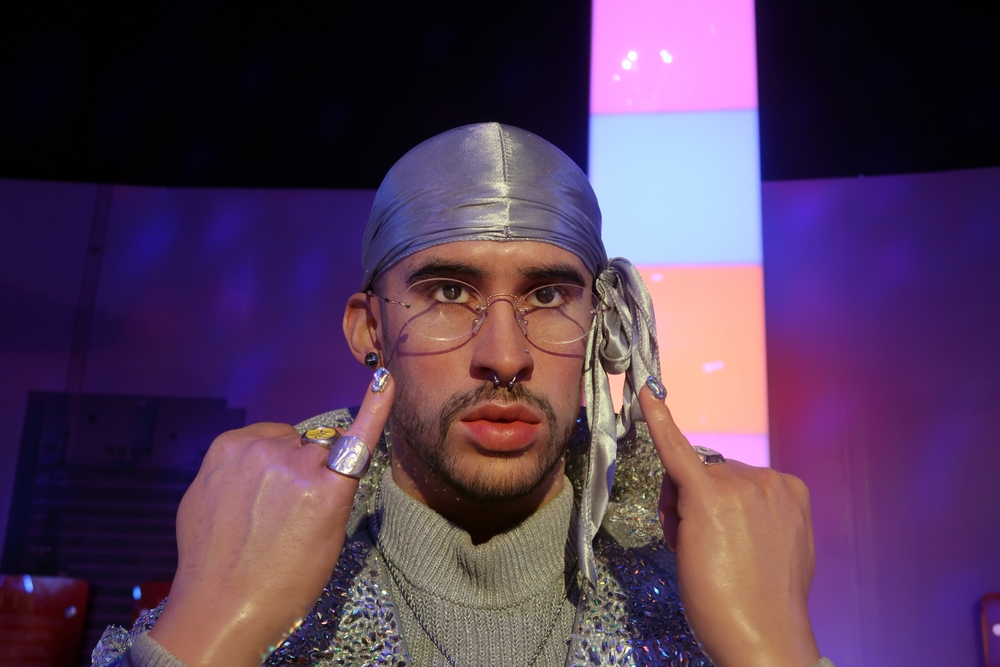
Bad Bunny Turns Super Bowl Stage Into Global Celebration of Culture, Music, and Respect for America
Puerto Rican superstar Benito Martínez delivers historic halftime performance alongside Ricky Martin, Lady Gaga, and a star-studded Latin lineup — sending a message of unity through music.
By Wilson Alvarez
Super Bowl Sunday delivered more than football. It delivered a defining cultural moment led by global superstar Bad Bunny — born Benito Antonio Martínez Ocasio — who transformed one of America’s largest stages into a celebration of culture, music, and shared identity.
Headlining the 2026 Super Bowl halftime show, Bad Bunny made history performing primarily in Spanish before one of the largest global television audiences of the year. The performance blended high-energy reggaeton, emotional storytelling, and appearances from internationally recognized artists, creating what many observers described as a historic tribute to Puerto Rican heritage and the global reach of Latin music.
But beyond production value and celebrity presence, the night felt personal. Intentional. Human.
A Love Letter to Puerto Rico
From the opening moments, the performance carried the tone of a cultural homecoming. Through visuals, rhythm, and storytelling, Benito celebrated the everyday spirit of Puerto Rico — its neighborhoods, its music, its resilience, and its joy.
For millions watching, the message was clear without needing translation:
You can honor where you come from while embracing where you are.
The performance never asked permission to be authentic. It simply was.
Respect for the American Stage
While proudly representing Puerto Rico, Bad Bunny also embraced the magnitude of the Super Bowl — one of the most powerful cultural platforms in the United States and the world.
His closing moments centered on themes of love, unity, and shared humanity, reinforcing the idea that music remains one of the last universal languages capable of bringing people together across borders, backgrounds, and beliefs.
It was not presented as division.
It was presented as connection.
The Night the Latin Music Family Showed Up
As the performance unfolded, it became clear this was not a solo moment. It was a generational one.
Ricky Martin’s appearance symbolized legacy — the artist who helped open global doors for Latin pop now sharing the stage with the artist redefining global Spanish-language dominance.
Lady Gaga’s performance reinforced cross-cultural respect — a pop icon stepping into Latin rhythm space, not as an outsider, but as a collaborator.
Karol G’s presence represented the modern era of global Latin music success — the streaming generation, the digital generation, the generation that no longer sees Latin music as regional, but global by default.
Cardi B’s appearance reflected cultural crossover — hip-hop and Latin rhythm blending into a single global sound. Their shared history on “I Like It” made her presence feel less like a guest spot and more like a continuation of a shared musical story.
Young Miko represented what comes next — the next Puerto Rican voice, the next global wave, the next chapter already beginning.
And beyond music, figures like Pedro Pascal and Jessica Alba represented something broader: the rise of Latino influence across film, business, and mainstream American culture.
This was not random casting.
It was cultural architecture.
A Stage That Became a Story
On this night, the performance unfolded like a living narrative built on rhythm, memory, and shared identity. As music filled the stadium, each appearance felt less like a cameo and more like a passing of energy — from one generation to another, from one culture to another, from one era to the next.
The stage pulsed with visuals celebrating Latin culture, community bonds, and musical heritage — a visual journey from island streets and city neighborhoods to the world’s largest entertainment platform.
It felt less like a performance.
More like a reunion of roots.
The Final Message: Love, Unity, and Connection
As the performance moved toward its closing moments, the tone shifted from celebration to reflection. The lights softened. The music slowed. And the message became unmistakable.
Love.
Unity.
Connection.
Bad Bunny closed the performance reminding millions watching that music has always been a bridge — one that crosses language, geography, and generation.
For a moment, the stage stopped being a stage.
It became a mirror.
The Benito Story: From Puerto Rico to the World
Bad Bunny’s Super Bowl appearance captured a journey bigger than one artist. It reflected pride in heritage, respect for opportunity, and gratitude for the platform that allowed him to represent his culture on a global stage.
By performing primarily in Spanish while honoring Puerto Rican music traditions and identity, Benito demonstrated that authenticity and global success are not opposites. They are partners.
In many ways, the moment represented the work, dreams, and sacrifices of generations before him — while opening doors for generations still to come.
Why This Moment Hit Differently in Miami
For South Florida, the performance carried a deeper resonance.
Miami is home to one of the largest Puerto Rican diaspora communities in the mainland United States. For many families here, identity is lived daily between two worlds — island roots and American opportunity.
Bad Bunny’s performance reflected that reality.
You can be Puerto Rican.
You can be American.
You can be both — fully.
For many in Miami’s Puerto Rican and broader Latin communities, the night was more than entertainment.
It was recognition.
It was reflection.
It was belonging.
The Lasting Impact
If the night proved anything, it was this:
Culture does not have to be left behind to succeed.
Culture can lead you to success.
And on Super Bowl Sunday, millions watched an artist prove exactly that — through rhythm, through heritage, through community, and through something even simpler.
Love.
Interested in this topic?